
Indian Developer Background Checks: 3 Deal Stoppers for UK Buyers
Check an Indian developer’s company standing, RERA record, land title, delivery history, and fund safeguards. UK buyers can verify records or use NITARYA.
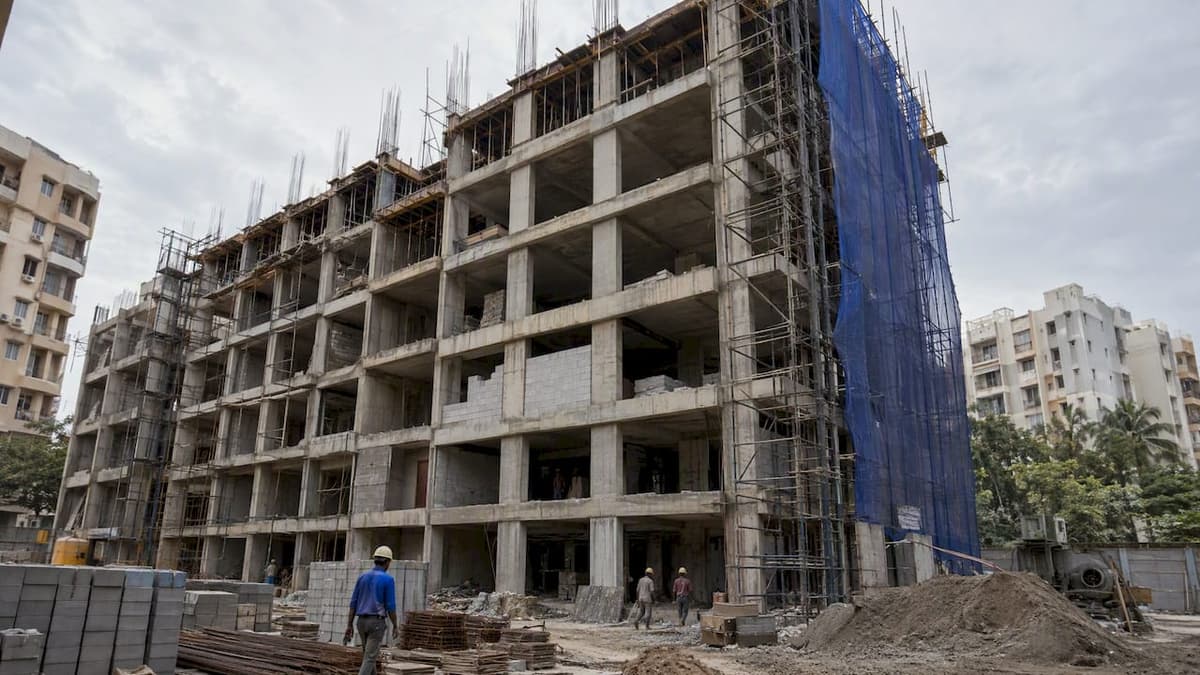

A developer background check in India covers five areas: company identity, RERA registration, title and land records, construction delivery history, and financial safeguards for buyer money. The immediate first step is to confirm the developer's company registration and the project's RERA number, then request the core supporting documents set out below. Buyers who want an independent review at this stage often engage a specialist such as NITARYA before committing any capital.
TL;DR:
- Search the relevant state RERA portal for the specific project, then review complaint dates and remedies; unresolved orders matter more than old, resolved cases.
- Verify the escrow account directly with the named bank, and confirm that buyer payments, milestone releases, and retention terms appear in the buyer agreement.
- Hire an independent buyer side reviewer when buying from abroad, facing an unclear title chain, receiving incomplete documents, or seeing signs of financial stress.
Quick checklist: the essential checks to run before you commit capital
Before any funds move, we recommend working through a fixed list of checks rather than relying on a developer's sales brochure or a verbal assurance from an agent.
- Company registration and directors: obtain the Corporate Identification Number (CIN) and confirm current directors.
- RERA project registration: request the state RERA registration number for the specific project, not just the company.
- Sanctioned plans and approvals: ask for the municipal or development authority approval copies.
- Title and encumbrance certificate: request a recent encumbrance extract showing the chain of ownership.
- Completion or progress certificates: for any phase already built.
- Escrow or bank guarantee letter: confirming buyer payments are ring-fenced.
- Audited accounts or basic financial indicators: to assess solvency.
- Litigation and RERA order history: search for pending cases or penalties.
- Past delivery record: completed projects versus delayed ones.
- Buyer agreement clauses: particularly on delay compensation and refund rights.
Title defects, an active injunction against the land, or the complete absence of an escrow arrangement are the three findings that most often change a buying decision outright.
How to verify developer identity and corporate standing
Corporate verification starts with the Ministry of Corporate Affairs (MCA) portal, where you can confirm the developer's incorporation number, registered address and current directors against what the sales team has told you. A mismatch between the legal entity signing your buyer agreement and the entity that actually owns the land is one of the more common sources of dispute.
Watch for repeated company name changes, a cluster of linked group entities with similar names, or a registered office that has moved several times in a short period. None of these is conclusive proof of wrongdoing on its own, but together they warrant closer questioning.
We suggest requesting certified copies of the developer's incorporation documents, the board resolution authorising the specific project, and proof that whoever signed your agreement actually holds authority to do so. A solicitor acting for you, rather than one introduced by the developer, should hold and check these copies.
RERA and regulatory checks: how to find registration and interpret complaints or orders
Every project marketed for sale in India should carry a registration number from the relevant state's Real Estate Regulatory Authority, since projects are registered per state rather than nationally. Search the state RERA portal using the project name or the developer's name to confirm the registration is current and matches the unit you intend to buy.
The same portal usually lists complaints, adjudication orders and penalties against registered projects. Note the date of any order and what remedy was granted, since an old, resolved complaint carries less weight than an unresolved one with an active penalty.
RERA generally covers delivery timelines, disclosure obligations and buyer compensation rights. It typically does not reach every contractual dispute, and it will not reveal a developer's pre-RERA history, which is why the corporate and litigation checks above remain necessary alongside it.
Assessing project status, delivery history and on-site progress
The most reliable way to judge completion risk is to compare what the developer has promised against what independent evidence shows has actually been built. Request the sanctioned construction schedule, certified progress reports, and completion certificates for any earlier phases of the same project or development group.
Where feasible, obtain recent site photographs, an engineer's progress certificate, or an independent third-party inspection report rather than relying solely on marketing renders or developer-supplied images. A site visit, whether by you or a locally instructed representative, remains one of the few checks that cannot be faked on paper.
Frequent extensions of time, phased handovers where common amenities remain unfinished long after possession, or a pattern of delayed projects elsewhere in the developer's portfolio all point to a systemic problem rather than a one-off delay.
Title, land and encumbrance checks you must insist on
Title verification is where cross-border buyers face the greatest information gap, since land records in India are held locally and are rarely in English or in a format familiar to an overseas buyer. Request the full title chain of sale deeds, the mutation extract recording the current registered owner, and a recent encumbrance certificate covering at least the past twelve to fifteen years.
Confirm there are no mortgages, tax liens or third-party claims recorded against the specific plot, and instruct a local conveyancer to trace the chain back through at least two prior transfers rather than accepting the developer's own summary. Encumbrance certificates are typically issued by the relevant Sub-Registrar's office and should carry a clear issue date.
If the land was originally agricultural and has since been converted for residential or commercial use, verify the conversion order and any statutory permissions that accompanied it. A missing or improperly recorded conversion can leave a project's legal status in doubt long after construction is finished.

Assessing developer finances and buyer-money protections
Financial health checks tell you whether a developer can actually finish what it has started, which matters more than almost any other single factor on a long construction timeline. Confirm whether buyer payments are held in an escrow account or protected by a bank guarantee, and ask for a bank confirmation letter where the developer is willing to provide one.
Request recent audited financial statements or, at minimum, a summary of how the project is financed, since heavy reliance on related-party loans or a history of loan defaults are both signs of strain. Common buyer protections in India include escrow accounts, milestone-based payment releases tied to construction stages, and retention clauses that hold back a final percentage until possession. Confirm each of these is written into the buyer agreement itself, not just described verbally.

Pro Tip: Ask for the escrow bank's name and branch, then verify independently that the account exists and is active rather than accepting a letter on developer letterhead alone.
Documents to request: a concise list for your agent or solicitor
Send this list, in order, to your agent or solicitor as the baseline request before you proceed with any reservation payment.
- Company incorporation certificate and CIN.
- Board resolution authorising the specific project and signatory.
- Land sale deeds forming the title chain.
- Encumbrance certificate, recently dated.
- RERA project registration certificate.
- Sanctioned building plans and approvals.
- Completion certificates for any finished phases.
- Key contractor or construction agreements.
- Audited financial statements or a financing summary.
- Escrow account or bank guarantee letter.
- Draft buyer agreement.
- Litigation and RERA order extracts.
Expect the document collection to take longer if the developer is uncooperative or documents are difficult to obtain. Redacted or partially withheld documents, particularly on title or escrow, are themselves a signal to slow down rather than press ahead on reassurance alone.
When to engage a buyer-side due diligence firm and what a NITARYA review delivers
Commissioning an independent review makes the most sense when you are buying across borders, when the title chain is long or unclear, when documents arrive incomplete, or when the capital at risk is large enough that a mistake would be costly. Signs of financial stress in the developer's accounts are another clear trigger.

We provide independent, buyer-side due diligence that brings legal, technical and market checks together into a single structured decision file, built specifically for buyers who are not in India to chase documents themselves. A typical engagement provides a structured decision file and practical recommendations on whether, and on what terms, to proceed. For a residential purchase, our residential property due diligence service can help, and our India property due diligence service covers the state-specific RERA and land record checks this guide describes.
What international buyers most often miss when checking an Indian developer
The two issues that come up most often in cross-border purchases are undisclosed encumbrances buried in old title records and escrow arrangements that exist on paper but are thinly funded relative to the sums collected from buyers. Both are easy to miss from overseas and hard to reverse once a reservation payment has gone through.
A documented, independent decision file gives you something a verbal assurance never can: a record you can use in negotiation, or walk away on, with reasons attached. Further examples of recurring issues across different markets are covered in our market insights.
— Neerraj
FAQ
What is included in a developer background check in India?
A developer background check covers company registration and directors, RERA project registration, title and encumbrance records, construction delivery history, and financial safeguards such as escrow arrangements. Buyers typically request supporting documents for each area before committing any payment.
How do I check RERA registration for a project in India?
Search the relevant state's RERA portal using the project name or developer name, since registration is issued state by state rather than nationally. The listing will show the registration number, project timeline, and any recorded complaints or orders against it.
What are the biggest red flags when checking an Indian developer?
The clearest red flags are an unclear title chain with unexplained encumbrances, an active legal case or RERA penalty against the project, and the absence of a genuine escrow arrangement for buyer payments. A pattern of delayed handovers across a developer's past projects is another strong warning sign.
Can I run these checks myself or do I need a specialist?
Straightforward checks such as confirming a RERA number or requesting a sanctioned plan can often be done directly or through a local solicitor. Complex title chains, cross-border transactions, or any sign of financial stress in the developer's accounts are situations where commissioning an independent review, such as our before buying property due diligence service, is the more reliable route.
How long does developer due diligence in India typically take?
Document collection time depends on the developer's cooperation and how readily the documents are available. A structured independent review building on those documents adds further time depending on how complex the title chain and project structure prove to be.

