
Market guide · Sri Lanka

Buying property in Sri Lanka as a foreignerYou can own an apartment here. You cannot own the land.

Sri Lanka lets a foreign buyer own an apartment outright, on any floor, and bars the same buyer from taking title to land. Colombo prices are rising while fewer homes sell. Here is what that means before you commit money.

3-minute read · checked 9 October 2026

Find my property

New apartment prices in Colombo, in one year
+18.5%
Central Bank of Sri Lanka, first quarter 2026
Apartments sold, over the same year
−15.2%
Central Bank of Sri Lanka, first quarter 2026
Rise in everyday prices in a year
7.2%
Central Bank of Sri Lanka, July 2026
Tax on your gain when you sell, up from 10%
15%
Inland Revenue (Amendment) Act 2026, from 3 June 2026

Can foreigners buy property in Sri Lanka?The way you pay is part of the title.

What this means for youSettle how the money will travel before you pay a deposit. A payment made the wrong way can cost you the ownership itself, not a fine.

Read the detailClose

Land cannot be transferred to a foreigner, or to a local company that is half or more foreign-owned. A transfer that breaks this rule is void. Sri Lankan dual citizens are exempt.

Two routes are open to a foreign buyer: buy an apartment (a condominium unit) outright, on any floor, or lease land for up to 99 years.

The apartment route has one condition. The whole price must arrive from abroad, through a bank, before the transfer deed is signed.

From: Land (Restrictions on Alienation) Act No. 38 of 2014 and Amendment Act No. 21 of 2018, Parliament of Sri Lanka

Sri Lanka property market in 2026Prices are up. Buyers are fewer.

What this means for youWhen prices rise and sales fall together, the asking price is the seller's hope. Test it against what has actually sold.

Read the detailClose

New apartment prices in Colombo rose 18.5% in the year to early 2026, while the number sold fell 15.2%. In projects still being built, about half the units (51%) were reserved.

Everyday prices rose about 7% over a similar period, so a good part of the rise is inflation and not real gain. Residential land values in Colombo District rose 6.7%.

These figures come from the Central Bank's survey of 20 developers. They describe new projects, mostly in Colombo, and not resale homes.

From: Central Bank of Sri Lanka, Real Estate Market Analysis, first quarter 2026, and Daily Economic Indicators

Property tax and moving money in and outOne bank account carries the whole purchase.

What this means for youYour way out is decided on the day you pay in. Keep the bank's record of every transfer: it is what lets the money leave again.

Read the detailClose

A buyer living abroad pays through an Inward Investment Account, a bank account opened for foreign investors. Rent and sale money return to the same account and can be sent abroad from there.

When you sell, the gain is taxed at 15% from 3 June 2026, up from 10%. A main home owned for three years and lived in for two is excluded.

Apartments lost their exemption from value added tax (VAT) in 2023; the standard rate is 18%. Stamp duty on a sale in Western Province, which includes Colombo, is 4% on almost all of the value.

From: Central Bank of Sri Lanka Directions No. 15 of 2021; Inland Revenue (Amendment) Act No. 11 of 2026; Inland Revenue Department; Department of Revenue, Western Province

Living in Sri Lanka and residence visasColombo is where the hospitals are.

What this means for youFor a retirement or work-from-home move, check the distance to a Colombo hospital and the internet connection at the address before you check the view.

Read the detailClose

Outside the main cities emergency treatment is limited, and a transfer to Colombo may be needed. Just over half the population (55%) uses the internet.

An apartment bought for USD 200,000 or more in a city can support a 10-year residence visa; USD 150,000 supports five years, and USD 75,000 in the suburbs supports five. Approval is not automatic.

People who work remotely for an overseas employer can apply for a one-year Digital Nomad Visa, renewable each year, with at least USD 2,000 a month sent into the country.

From: UK Foreign, Commonwealth & Development Office; World Bank; Department of Immigration and Emigration

Flood and landslide risk in Sri LankaAsk where the 2025 floods reached.

What this means for youBefore you choose an address, ask whether the November 2025 floods reached it. The Disaster Management Centre publishes the flooded area.

Read the detailClose

Flooding from heavy rain and landslides are the main natural risks named for Sri Lanka. Cyclone Ditwah caused widespread flooding and landslides in November 2025.

Monsoon floods and landslides can also close roads, which matters for a home in the hills or far from a city.

From: Asian Development Bank and World Bank climate risk profile; UK Foreign, Commonwealth & Development Office; Disaster Management Centre

Questions buyers ask

Buying property in Sri Lanka: short answers.

Can a foreigner buy property in Sri Lanka?

Yes, an apartment. A foreigner can buy a condominium unit on any floor if the whole price is paid from abroad through a bank before the transfer deed is signed. A foreigner cannot take title to land, but can lease it for up to 99 years.

Can a foreigner own land in Sri Lanka?

No. The Land (Restrictions on Alienation) Act 2014 bars the transfer of land to a foreigner or to a company that is 50% or more foreign-owned, and a transfer that breaks the Act is void. Sri Lankan dual citizens are exempt.

Are property prices rising in Sri Lanka?

In Colombo, yes. The Central Bank's index of new apartment prices rose 18.5% in the year to the first quarter of 2026, while its index of apartments sold fell 15.2%.

How much tax do you pay when you sell property in Sri Lanka?

An individual pays 15% on the gain from 3 June 2026, up from 10%. A main home owned for three years and lived in for at least two of them is excluded.

Does buying property give you a residence visa in Sri Lanka?

It can support one. The Department of Immigration lists a residence visa for an apartment bought for at least USD 200,000 (10 years) or USD 150,000 (5 years) in urban areas, or USD 75,000 in suburbs (5 years). Approval is not automatic.

How do you take money out of Sri Lanka after selling a property?

Through the same Inward Investment Account the purchase was paid from. Rent and sale proceeds are credited to that account and can be sent abroad from it.

Places we cover

Sri Lanka, place by place.

The places in Sri Lanka we cover. Nothing here is for sale, and nothing here is a recommendation.

Other places:

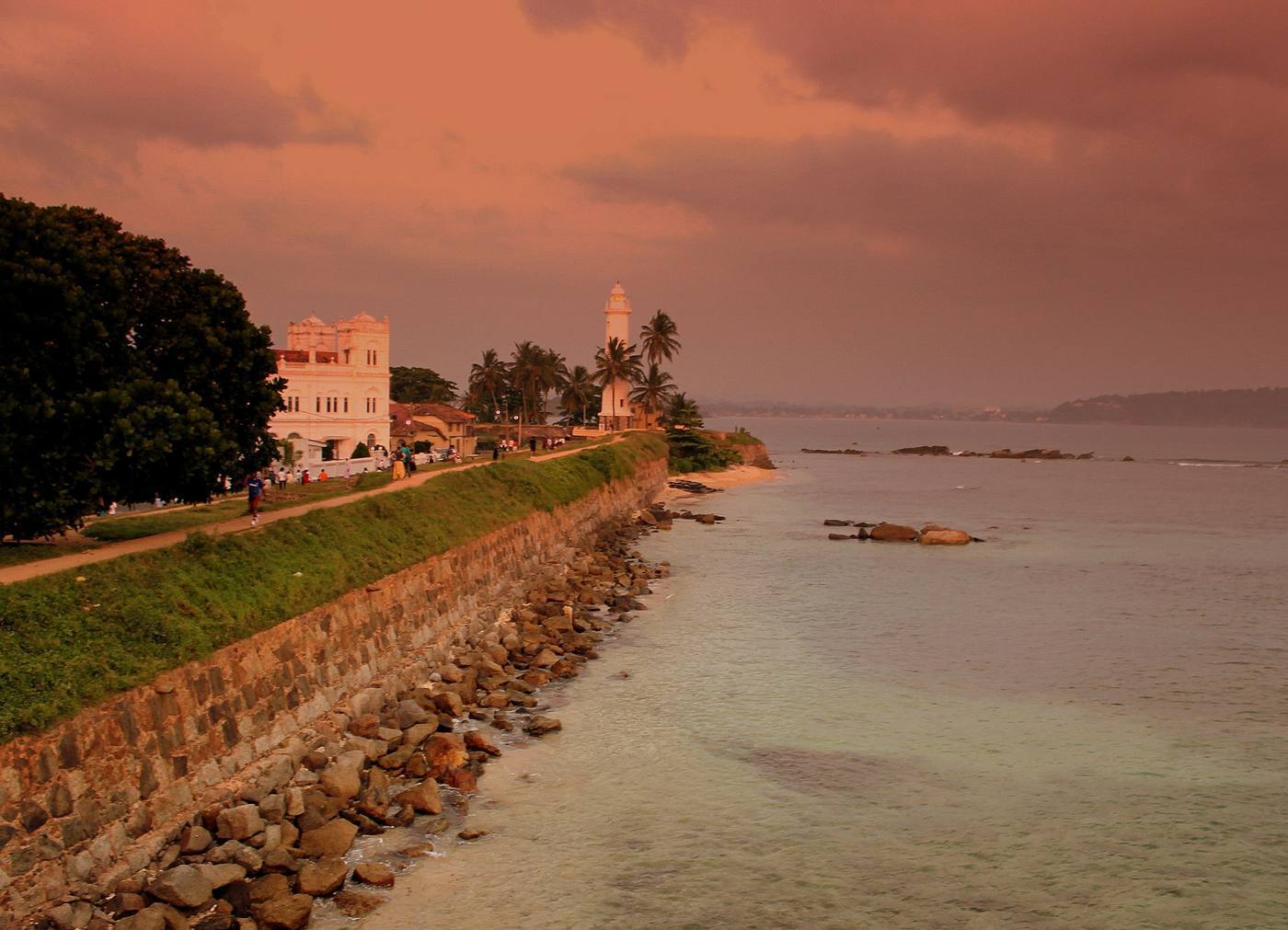
GalleCity

Galle City (outside Fort)

Also on file, by name only:

Hikkaduwa

Madampagama

Talpe

NegomboCity

Negombo Beach and City

Negombo Lagoon

WeligamaTown

Elsewhere in Weligama

BadullaCity

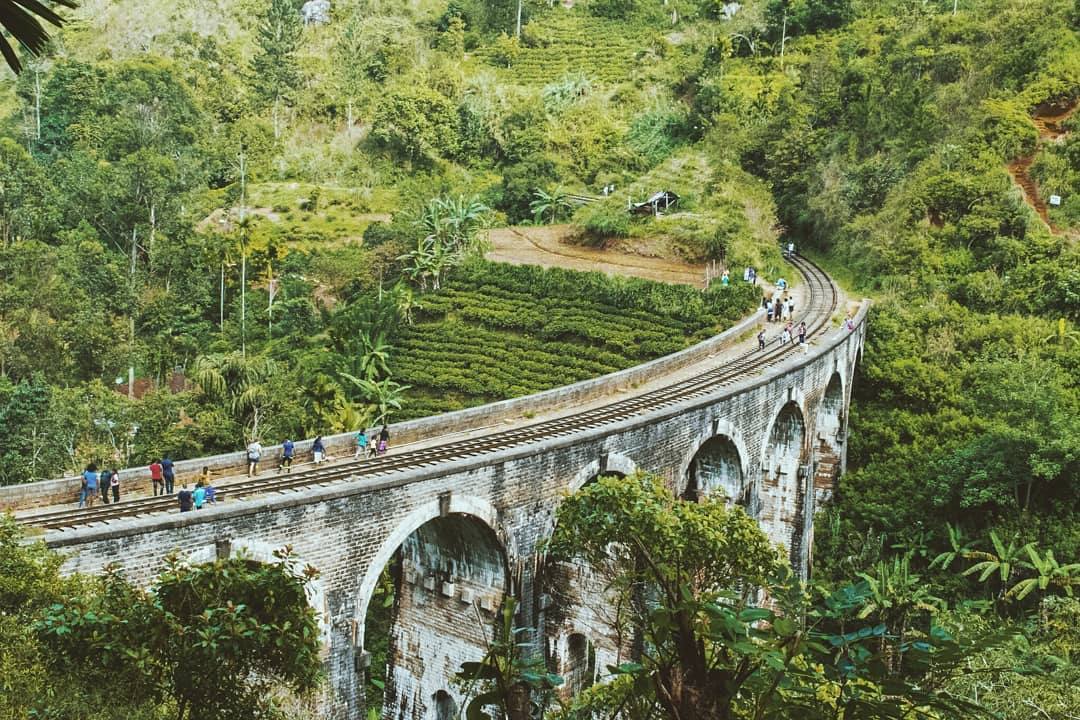
Ella

On file by name only: ·

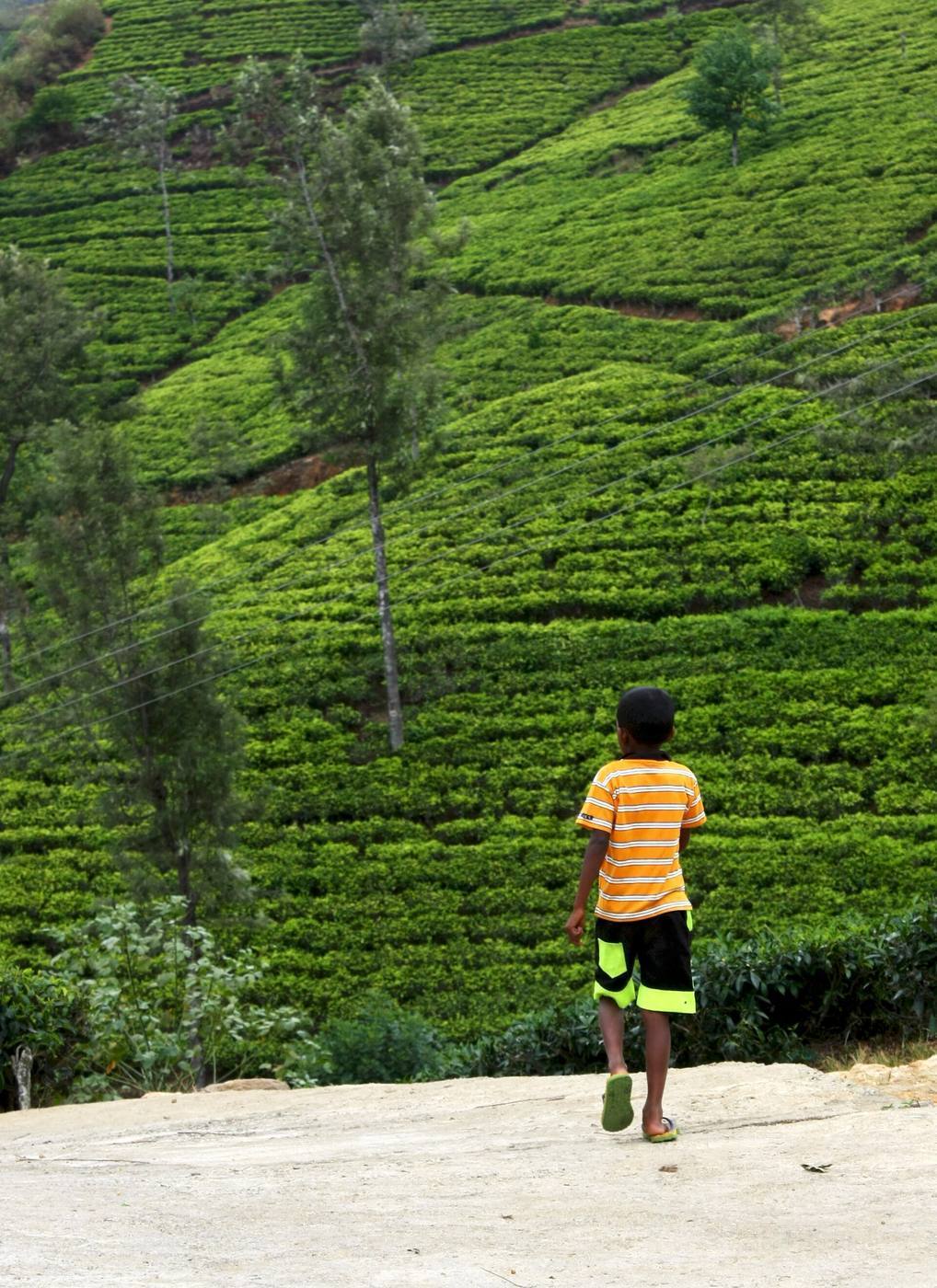
Nuwara EliyaCity

Elsewhere in Nuwara Eliya

Also on file, by name only:

DambullaCity

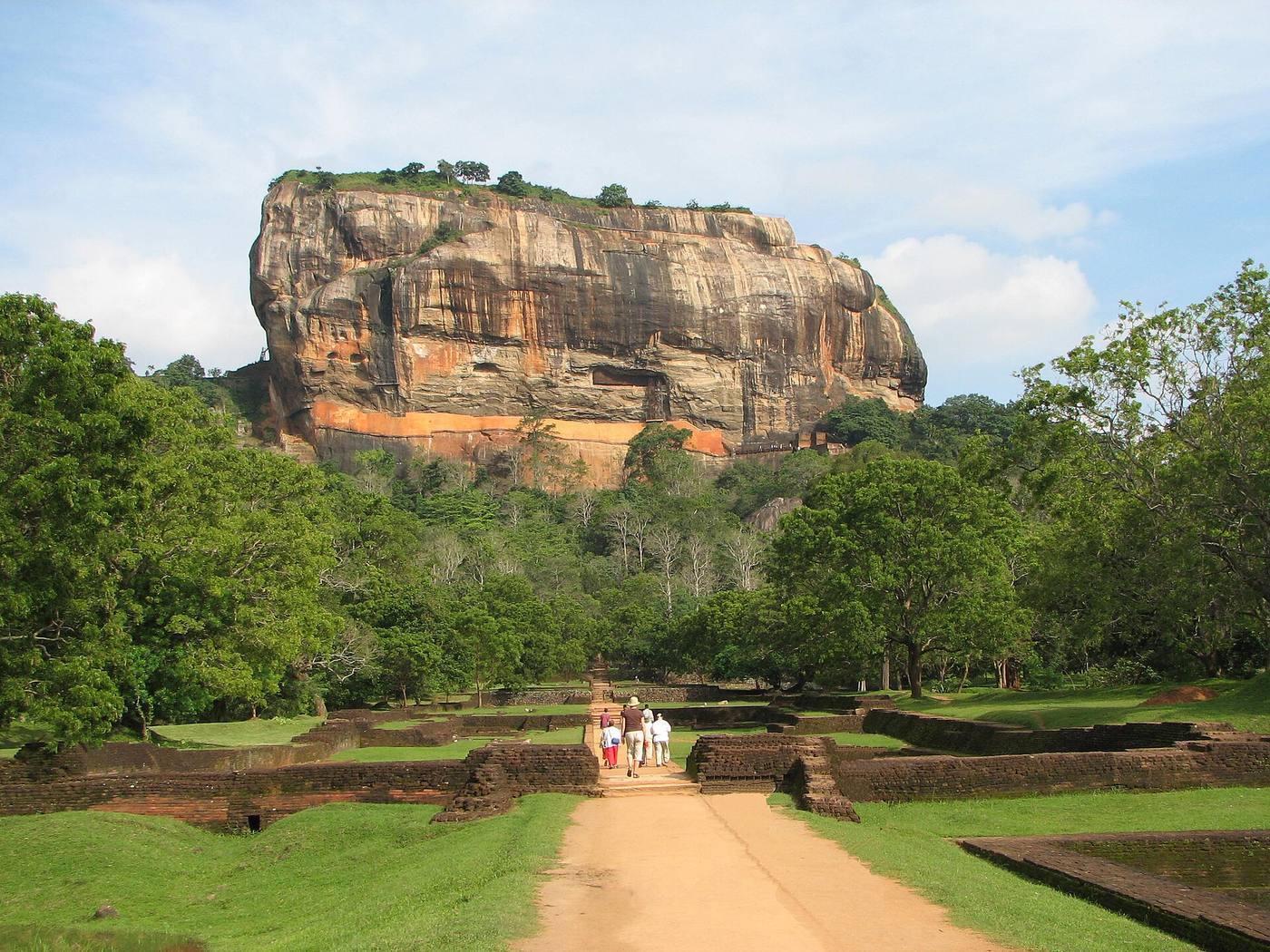
Sigiriya–Inamaluwa corridor

Ja-ElaTown

Elsewhere in Ja-Ela

JaffnaCity

Elsewhere in Jaffna

On file by name only:

The evidence

What this guide rests on.

The full rules, step by step: ownership guide for Sri Lanka and the tax guide.

Every sourced fact we hold on Sri Lanka (56)
  • An island country in the Indian Ocean, with central highlands and coastal lowlands.
  • Life expectancy at birth was approximately 78 years in 2024.
  • The emergency ambulance number is 1990.
  • Digital Nomad Visa applicants need international health insurance covering treatment in Sri Lanka.
  • Economic growth in the first quarter of 2026 was 5.1% compared with a year earlier.
  • Sri Lanka, Married to a Sri Lankan: spouse visa, then citizenship: who: Foreign husband or wife, married over 6 months; fee: Free for the spouse; USD 150 a year per child; stay: 1 year, then 2-year, then 5-year renewals; citizenship: By registration after 1 year living there. Who qualifies: The foreign husband or wife of a Sri Lankan, married more than 6 months, and their children. Where it leads: Citizenship by registration after living in Sri Lanka for the year before applying. You must give up your other citizenship unless the Minister exempts you.
  • The Colombo Port City Special Economic Zone has a separate statutory area of authority defined in Schedule I of Act No. 11 of 2021.
  • Second citizenship, for a citizen of Sri Lanka: A Sri Lankan who takes another citizenship stops being Sri Lankan. To keep both, apply for a dual citizenship certificate before (if you hold permanent residence abroad) or after: you need one condition, such as being 55 or over, a diploma, or USD 25,000 on deposit for 3 years, and the fee is USD 2,000.
  • Sri Lanka, Dual citizenship for former Sri Lankans: who: Sri Lankans who took, or will take, another citizenship; condition: One of: age 55+, a diploma, property or a deposit of Rs 2.5 million, or USD 25,000; fee: USD 2,000; spouse and each child USD 500; gives: Citizenship, no visa, and the right to own land. Who qualifies: Former Sri Lankans who want their citizenship back, or Sri Lankans about to take another (holding permanent residence there). Where it leads: Sri Lankan citizenship again, alongside your other passport.
  • Office for setting up a business in Sri Lanka: Department of the Registrar of Companies. What it handles: Company, branch and beneficial owner registration. Address: No. 400, “Samagam Medura”, D R Wijewardena Mawatha, Colombo 10. Phone: 011 268 9208 / 9209; 011 268 9615; IT help desk 011 2 444 333. Email: info@drc.gov.lk; bo.support@drc.gov.lk. Website: https://eroc.drc.gov.lk.
  • Business structure in Sri Lanka, Sole proprietor or partnership (business name): Where: The provincial business names office (not the Registrar of Companies); Fee: Rs 1,500 to Rs 3,500 by capital; Deadline: Within 14 days of starting (30 at most); Liability: You are the business. Official fees: Registration (capital over Rs 500,000): Rs 3,500. Time: Registration: Within 14 days of starting, 30 at most. Not confirmed: whether a non-resident foreigner may register a business name (no official statement found).
  • Office for setting up a business in Sri Lanka: ICTA (Information and Communication Technology Agency). What it handles: Start-up programmes; visa recommendations for IT company staff. Address: No. 490, R A De Mel Mawatha, Colombo 03. Phone: +94 11 236 9099. Email: info@icta.lk; digiindustry@icta.lk. Website: https://www.icta.lk.
  • Sri Lanka, Retirement visas (My Dream Home, Resident Guest): status: Closed to new applicants; renewals: Only for people who already hold them; instead: Investor visa through a flat, or the Golden Paradise visa. To keep it: Existing holders: keep USD 15,000 on fixed deposit, send in USD 1,500 a month (My Dream Home), hold medical insurance, renew every 2 years.
  • Office for setting up a business in Sri Lanka: Department of Immigration and Emigration. What it handles: Business, investor and work visas. Address: “Suhurupaya”, Sri Subhuthipura Road, Battaramulla. Phone: Hotline 1962; +94 112 101 500. Email: controller@immigration.gov.lk. Website: https://www.immigration.gov.lk.
  • Business structure in Sri Lanka, Branch of a foreign company (overseas company), what it may do: Any foreign company may register a place of business in Sri Lanka. Banned for branches: money lending (except banks), pawn broking, retail under USD 5 million, coastal fishing, growing tea, rubber, coconut or rice, mining, freight forwarding, shipping agency, gem mining and lotteries. Education, mass media and outbound travel need approval first. A liaison office is also possible: it may not earn income, and its costs come in through an IIA.
  • Sri Lanka, Permanent Residence Visa (Sri Lankan roots or spouse): who: People of Sri Lankan descent, former Sri Lankans, spouses of Sri Lankans; stay: Card up to 10 years, renewable; work: Any lawful job or business; fee: USD 1,000 (spouse of a former Sri Lankan and each child USD 400). Who qualifies: Anyone whose parent, grandparent or great-grandparent was born in Sri Lanka or was Sri Lankan, and former Sri Lankans. To keep it: Renew the card (up to 10 years each time). Where it leads: Permanent residence. Citizenship is a separate step: for a spouse, registration after 1 year of living in Sri Lanka.
  • Sri Lankan banks may lend in rupees or foreign currency to Sri Lankans living abroad on permanent residence elsewhere, and to dual citizens, to buy, build or renovate a home in Sri Lanka, repaid from inward remittances or foreign-currency accounts (CBSL Directions No. 11 of 2021 under the Foreign Exchange Act); CBSL Directions No. 10 of 2021 cover Sri Lankans employed abroad.
  • Business structure in Sri Lanka, Company approved by the Board of Investment (Section 17): Minimum investment: USD 150,000 (IT) to USD 500,000 (export manufacturing, tourism, logistics); BOI fees: USD 400 application + USD 2,500 agreement + VAT; Annual fee: USD 3,450 + VAT; Incentives: Extra capital allowances, duty-free capital goods. Official fees: BOI application: USD 400 + VAT; Section 17 agreement: USD 2,500 + VAT; Annual fee (first year, outside zones): USD 3,450 + VAT. Time: BOI decision: No official time is published; Building and start: Within the period set in your agreement. Not confirmed: how long the BOI takes (no official time); the due dates of the BOI annual fee and progress reports; when the Economic Transformation Act will replace the BOI (no start order found; the BOI still takes applications).
  • Investor Visa guidance initially grants five years; qualifying USD 200,000 investors receive a letter for a further five-year extension.
  • Office for setting up a business in Sri Lanka: Export Development Board. What it handles: Export support, exporter directories, product licences. Address: No. 42 Nawam Mawatha, Colombo 02. Phone: +94 11 230 0705–11. Email: edb@edb.gov.lk. Website: https://www.srilankabusiness.com.
  • In Sri Lanka land may not be transferred to a foreigner, a foreign company or a local company 50% or more foreign-owned; it may only be leased to them, for at most 99 years (Land (Restrictions on Alienation) Act No. 38 of 2014, ss.2 and 5).
  • Visiting Sri Lanka on a passport of most other countries: Apply for a 30-day tourist approval (ETA) on eta.gov.lk before you fly: USD 50 for most passports, USD 20 for South Asian countries. Forty countries get it free. It can be extended up to 270 days in all from arrival.
  • The Department of Immigration and Emigration says the Golden Paradise visa lets a foreigner live in Sri Lanka for 10 years. The person must put at least 200,000 US dollars into a special foreign currency bank account at a bank licensed by the Central Bank of Sri Lanka. Buying a condominium (a flat in a building where each flat has its own legal title) is one of the listed ways to use the money; after one year up to half of the deposit can be taken out. The visa fee is 2,000 US dollars for the 10 years, and a police report from the home country, no older than 6 months, is needed.
  • Business structure in Sri Lanka, Colombo Port City licensed business, what it may do: Any business licensed by the Commission as an “Authorised Person”. It must not be set up only to deal with Sri Lankans outside Port City; more than half its revenue must come from other clients. No minimum shareholding, and no minimum investment except for Businesses of Strategic Importance.
  • The Department of Immigration lists a residence visa for a condominium bought for at least USD 200,000 (10 years) or USD 150,000 (5 years) in urban areas, or USD 75,000 in suburbs (5 years), at USD 200 a year; the developer must first register the property for the visa.
  • Visiting Sri Lanka on a passport of India, the United Kingdom, the United States, Canada, Australia, the United Arab Emirates, Saudi Arabia, China, Russia, Germany, France and Thailand: Your passport gets a free 30-day tourist approval (ETA) since 25 May 2026. Apply on eta.gov.lk before you fly. It can be extended inside Sri Lanka up to 270 days in all from arrival: online up to 6 months, then at the department’s head office.
  • The World Bank estimates the 2025 population at 21,756,000.
  • Economic output, measured by gross domestic product (GDP), was USD 108.83 billion in 2025.
  • Emergency treatment outside the main cities is limited, and transfer to Colombo may be necessary.
  • GDP per person was USD 5,002.10 in 2025; this measures output per resident, not household income.
  • Dengue and chikungunya are identified health risks; the travel guidance does not provide local incidence rates.
  • The economy grew by 5.0% in 2025 after adjusting for price changes.
  • Children accompanying Digital Nomad Visa holders may enrol in private or international schools.
  • National consumer prices were 7.2% higher in July 2026 than in July 2025.
  • Some beaches have dangerous surf and rip currents at certain times of the year.
  • Colombo consumer prices were 8.0% higher in August 2026 than a year earlier.
  • The Digital Nomad Visa fee is USD 500 per person per year, including accompanying family members.
  • Sri Lanka, Golden Paradise visa (bank deposit): money: USD 200,000 deposit in a Sri Lankan bank; stay: 10 years; withdraw: Up to half after the first year; fee: USD 2,000 a person, paid up front. Who qualifies: Any foreigner, with husband or wife and dependants. To keep it: Keep the deposit; you may take out up to half after the first year. Where it leads: Ten years of residence. No route to permanent residence or citizenship is stated. Not confirmed: since November 2023 the law has a single “investor visa” (USD 100,000 for 5 years, USD 200,000 for 10), yet the department still lists Golden Paradise; whether it still takes new Golden Paradise applications is not confirmed. Also the age limit for children.
  • Permanent residence and citizenship in Sri Lanka: Sri Lanka has no citizenship through years of living there or through investment: only through a Sri Lankan parent, marriage to a Sri Lankan, or (for at most 25 people a year) distinguished service. Registration means giving up your other citizenship unless the Minister exempts you. A child born in Sri Lanka to foreign parents is not Sri Lankan.
  • Sri Lanka, Student residence visa: who: University and approved-institution students, volunteers, interns; fee: USD 200 a year; money: USD 1,500 a year in bank receipts (non-university).
  • Permitted Investor Visa investments include immovable property subject to Sri Lankan written law.
  • The Digital Nomad Visa provides one year of residence, renewable annually.
  • The Digital Nomad Visa requires monthly remittances of at least USD 2,000 for the main applicant.
  • The Investor Visa guidance specifies a minimum investment of USD 100,000 for five years or USD 200,000 for ten years, subject to approval.
  • Digital Nomad Visa holders cannot take local employment.
  • Office for setting up a business in Sri Lanka: Board of Investment (head office). What it handles: Section 16 and 17 approvals, zones, visa recommendations. Address: Level 24, West Tower, World Trade Centre, Echelon Square, Colombo 01. Phone: +94 11 2434403; hotline +94 77 1211213. Country desks: India and Thailand 011 2427108, UK 011 2427065, US 011 2427414, UAE +94 11 2399997. Email: info@boi.lk. Website: https://investsrilanka.com.
  • Business structure in Sri Lanka, Private limited company (foreign shareholders allowed), what it may do: Up to 100% foreign ownership is allowed, except: no foreign shares at all in pawn broking, coastal fishing, or retail with under USD 5 million of foreign capital; a 40% cap (unless the BOI approves more) for education, travel, shipping and freight agencies, mass media, deep-sea fishing, local-timber industries, mining, and growing tea, rubber, coconut, cocoa, rice, sugar or spices. One shareholder is enough (a person or a company). At least one director, and a company secretary with the qualifications the Companies Act requires. The name ends “(Private) Limited” or “(Pvt) Ltd”. If any shareholder is foreign, the company’s objectives must be written into the articles.
  • My Dream Home currently accepts extensions for existing visa holders only.
  • Sri Lanka, Employment residence visa: who: Staff of an approved project, investment-board company, bank or registered company; stay: 1 year, renewable; fee: USD 200 a year (+ investment board fee USD 140 to 1,100); age: Investment board: 18 to 60. Who qualifies: An employee whose employer requests the visa, recommended by the ministry, investment board or Central Bank. To keep it: Renew every year with the recommendation. Where it leads: No route to permanent residence or citizenship.
  • The Investor Visa guidance requires an Inward Investment Account and a Visa Programme Foreign Currency Account.
  • Office for setting up a business in Sri Lanka: Business Names Office, Western Province. What it handles: Sole proprietor and partnership registration (Colombo area). Address: 1st Floor, Provincial Council Office Complex, No. 204, Denzil Kobbekaduwa Mawatha, Battaramulla. Phone: +94 112 092 997. Email: info@bnr.wp.gov.lk. Website: https://bnr.wp.gov.lk.
  • Digital Nomad Visa applicants must be at least 18 and work remotely for overseas employment, clients or a foreign business.
  • FCDO reports poorer road conditions in some remote areas.
  • Electricity access reached 100% of the population in 2024.
  • Internet users represented 55% of the population in 2024.
  • Taxi-booking applications operate locally, with lower availability outside tourist areas.

Asian Development Bank and World Bank · World Bank · UK Foreign, Commonwealth & Development Office · Department of Immigration and Emigration · Central Bank of Sri Lanka · DI&E, Residence Visa (employment, investor tiers including Golden Paradise and condominium, religious, education, NGO, ex-Sri Lankan, spouse, medical, court; HPP; security clearance) · Parliament of Sri Lanka, Colombo Port City Economic Commission Act No. 11 of 2021, sections 2, 4 and 38 · Citizenship Act (Cap. 248, older revised edition: ss.2–28), as published by DI&E · DI&E, Dual Citizenship (instructions, categories, fees) · DRC, Contact and site footer (archived 15 Apr 2026; read 25 Oct 2026) · Department of Provincial Business Name Registration, Western Province: Charges, Required documents, Contact (25 Oct 2026) · ICTA, Contact Us (26 Oct 2026) · DI&E, General Information on Visa (visa types, 13 residence groups, exemptions, conditions, office hours) · Department of Immigration and Emigration contact page, and the ETA fees and free-visa list (24 Oct 2026) · DRC, Table of Fees (archived 13 Jul 2026; read 25 Oct 2026) · DI&E, Permanent Residence Visa guideline page (PRV) · CBSL Directions No. 11 of 2021, Loans to Sri Lankans resident outside Sri Lanka on PR and dual citizens · BOI, home and Contact Us directory (25 Oct 2026) · Department of Immigration and Emigration, Investor Visa Category · Export Development Board: home and contact, ISFTA profile, Export Procedure 2020 (25 Oct 2026) · Land (Restrictions on Alienation) Act No. 38 of 2014 · ETA website, home page alerts (2024.09.27 seven-country notice; 25.05.2026 notice; sponsor-only nationalities) and fees page · Department of Immigration and Emigration, Golden Paradise visa page (undated web page, read 17 October 2026) · CPCEC, Application Process (25 Oct 2026) · Department of Immigration and Emigration, Residence Visa (investor category) · DI&E, "Special Notice to the Short Term Visitors": free ETA for 40 countries from 25.05.2026 (page and PDF), checked 26 October 2026

How a review works

The same six steps, in every market.

  1. DefineClarify intended use, decision participants, timing and constraints.
  2. MapIdentify the property, proposed right and jurisdiction-specific route.
  3. OrganiseAssemble the available title, project, contract, payment and cost evidence.
  4. SeparateLabel what is known, missing, concerning or requires professional confirmation.
  5. CoordinateKeep legal, tax, valuation, immigration and engineering conclusions attributed.
  6. DecidePresent a plain-language record so you can proceed, compare, pause or walk away.

This guide is general. What applies to you depends on your nationality, where you pay tax and the property itself, and that is what a review of your own purchase in Sri Lanka establishes.

Already have a property in mind? Get it reviewed.

Last checked 26 October 2026.

Find my property