
📝 Blog
Buying Property in Thailand as a Foreigner: 2026 Guide
A practical guide for foreign buyers in Thailand covering condominium quotas, land restrictions, leases, title checks, bank evidence, taxes and due diligence.

| 📅 Published 16 September 2026 | ⏱️ 11-minute read | THAILAND PROPERTY DUE DILIGENCE |
A practical guide to condo freehold quotas, land restrictions, leaseholds, funding evidence, title checks, taxes and buyer-side due diligence.
On this page
Introduction
Buying property in Thailand as a foreigner generally follows one of two paths. Foreigners may legally purchase freehold condominiums outright, provided the building's foreign-ownership quota stays within 49% under the Thai Condominium Act, with the purchase price transferred from abroad and documented through FET forms. Landed property works differently: it calls for structures such as 30-year registered leaseholds or usufruct rights, confirmed through independent Land Department due diligence and Chanote title checks. Nitarya provides these verification services so buyers can make informed decisions with confidence.
Foreign individuals generally cannot own Thai land directly, subject to narrow statutory exceptions and approvals. They can purchase condominium units under freehold title within a building's 49% foreign-ownership quota. For houses and land, long-term leaseholds offer the workable structure instead. Nitarya conducts independent buyer-side due diligence — verifying title, quota compliance, and developer credibility — and has reviewed more than 380 property decisions, finding deal-changing issues in roughly one in three.
What Do You Need Before Buying Property in Thailand?
Foreign buyers need five things before signing anything in Thailand: proof of foreign-sourced funds, a clear ownership route, an independent title check, a reviewed contract, and a realistic tax estimate. Thailand has drawn a steady stream of foreign investors and retirees over the past two decades, all seeking a share of the country's beaches and cities. Interest in buying property in Thailand as a foreigner has grown further thanks to affordability, a strategic position in Southeast Asia, and a high standard of living. Demand shows up in the numbers: the Real Estate Information Center reported 14,573 condominium transfers to foreign buyers nationwide in 2024.
Before touring a single unit, buyers should confirm the following:
- Funds transferred from abroad, supported by standardized banking evidence for foreign exchange compliance.
- A confirmed ownership path suited to the property type: condominium, leasehold, or corporate structure.
- Verified title documents from the relevant land authority.
- A contract reviewed line by line for hidden liens or construction issues.
- An estimate of transfer fees and ongoing carrying costs.
Can foreigners buy land in Thailand outright?
Direct freehold land ownership by foreign individuals remains restricted under Thai law, which limits buying property in Thailand to specific structures. Condominium units purchased within a building's foreign quota offer the clearest path to freehold title. Landed houses typically require leasehold or corporate arrangements instead, each carrying different risks worth reviewing before capital changes hands.
Nitarya works within Thailand's property market to help buyers verify ownership routes, confirm documentation, and understand local regulations before committing capital, giving clients an independent check separate from developer or agent representations.

How Do You Buy a Condo Under Thailand's Foreign Quota?
Foreign nationals purchase condominium units in Thailand as full freehold owners, provided the unit falls within a building's thailand condo quota for foreigners. The Thai Condominium Act sets a statutory 49% foreign-ownership limit for a registered condominium. Buyers should obtain the condominium juristic person's letter confirming the available foreign proportion before transfer. Buyers who move too quickly, without confirming quota space or funding rules, risk a rejected title transfer and a stalled transaction at the Land Department.
The process follows a defined sequence, and skipping a step creates downstream complications.
- Confirm quota availability with the project's juristic person office before signing a reservation agreement.
- Arrange the full purchase price as an offshore transfer into Thailand, since buying property in Thailand as a foreigner requires funds to originate outside the country.
- Obtain a Foreign Exchange Transaction form from the receiving Thai bank once the transfer clears.
- Present the transaction form, passport, and purchase contract at the Land Department to register ownership.
What Documents Prove the Funds Came From Abroad?
Buyers need the Foreign Exchange Transaction form issued by the Thai bank, matched precisely to the purchase amount and the seller's name. This form is the standardized banking evidence for foreign exchange compliance. The Land Department will not register a foreign freehold transfer without it. Mismatched amounts or unclear remittance purposes are among the most common causes of delayed registration.
Verifying quota status and funding documentation before capital moves is where independent review adds the most value. Nitarya operates as an independent property consulting firm focused on cross-border property due diligence, checking quota availability and remittance requirements before a buyer commits funds. Each client receives a dedicated property specialist who coordinates legal, project, and local-market reviews into a single consolidated assessment. That structure gives buyers a documented basis for decisions, rather than reliance on verbal assurances from a developer or broker.

Can Foreigners Buy Land in Thailand Directly?
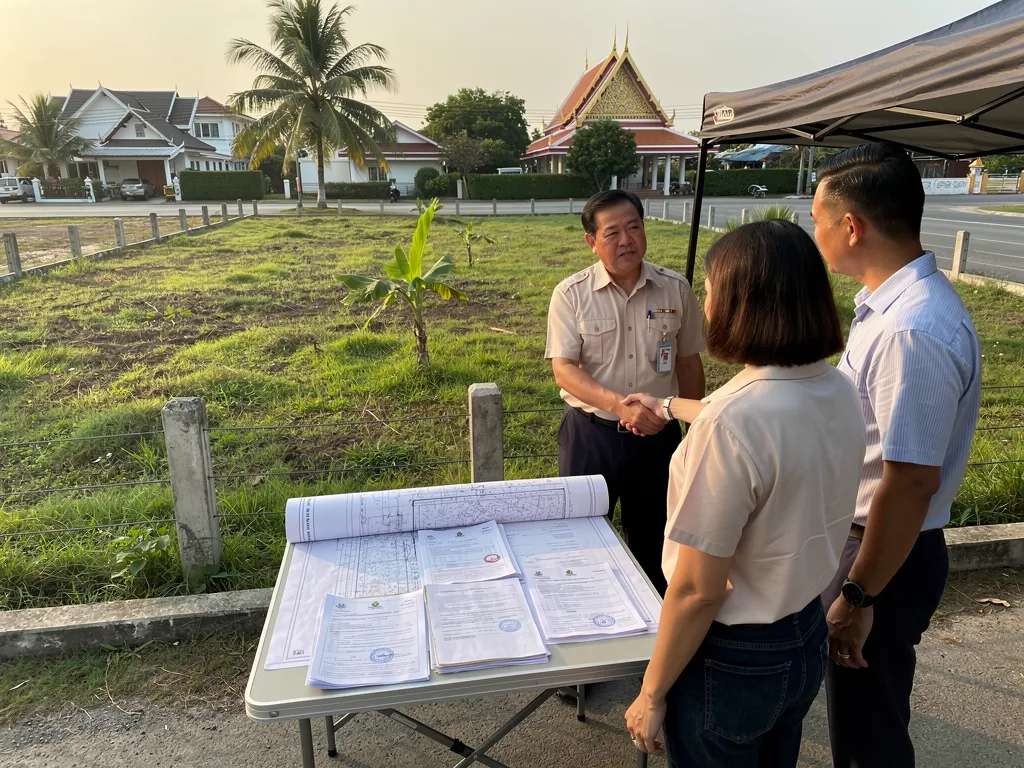
Direct freehold land ownership is generally unavailable to foreign individuals, although narrow statutory exceptions may apply when specific investment and approval conditions are met. Can foreigners buy land in Thailand as outright owners in an ordinary transaction? Generally no. Foreign buyers instead acquire landed property through possession rights, structured as 30-year registered leaseholds or registered usufruct arrangements. These structures grant long-term use and control without transferring the underlying title.
Thailand's civil law framework draws a firm line here. Freehold condominium ownership sits on one side, with clear statutory allowance for foreign buyers. Landed property restrictions sit on the other, governed by a separate set of rules entirely. Buyers who confuse the two often assume land purchases work like condo purchases, they do not.
Putting together a Thailand real estate legal guide for a landed-property purchase means weighing several factors together:
- Statutory ownership limits specific to land versus condominium units
- Lease renewal terms and whether extensions are registered or merely promised
- Usufruct scope, including transferability and duration
- Cross-border currency compliance for any funds transferred into Thailand
Is a 30-Year Lease the Same as Ownership?
No a registered lease grants use rights for a fixed term, not title. Whether it can be renewed beyond that initial period depends on the contract's wording and the registration practices of the specific project and location.
What Should Buyers Verify Before Signing a Leasehold?
Buyers should confirm how the leasehold or usufruct is registered against the land title, not just referenced in a private contract. Nitarya's jurisdiction and ownership structure review examines these arrangements before commitment, clarifying how leasehold, usufruct, and nominee structures function under local restrictions.
The table below summarizes how the three main ownership structures available to foreign buyers compare on legal basis, duration, and eligibility.
| Ownership route | Legal basis | Duration | Foreign eligibility | Key requirement |
|---|---|---|---|---|
| Freehold condominium | Thai Condominium Act | Perpetual | Yes, within the statutory foreign quota | Confirm quota and qualifying source-of-funds evidence before transfer |
| Registered leasehold | Civil and Commercial Code | Up to 30 years; renewal is not guaranteed by law | Yes, for rights over houses and land | Register the lease against the land title, not only in a private contract |
| Usufruct | Civil and Commercial Code | As agreed, up to the usufructuary's lifetime | Yes, for use rights over houses and land | Register it against the title and define scope, duration and transferability |
What Taxes and Fees Apply to Foreign Buyers?

Foreign buyers face several categories of cost when they finalize a purchase in Thailand: transfer fees, recurring taxes, maintenance charges, and reporting obligations tied to the property's structure. These costs vary by ownership type, whether a condo quota for foreigners purchase or a leasehold arrangement on land. Missing one of these obligations does not just create a paperwork problem. It can surface later as a lien, a blocked resale, or an unexpected liability at transfer.
A financial and ongoing obligations review addresses this gap directly. Nitarya's process identifies applicable taxes, recurring costs, maintenance obligations, reporting requirements, and ownership liabilities tied to a specific unit or plot before capital changes hands. This matters because Thailand property tax for buyers rules interact with zoning status, building approvals, and the property's registered use.
Do foreign buyers need to check permits separately from tax obligations?
Yes. A permits and regulatory review runs alongside the financial assessment, evaluating licenses, approvals, zoning compliance, and other regulatory requirements attached to the property. Tax exposure and permit status often connect. An unapproved structure or unresolved zoning issue can trigger penalties that outweigh the original purchase cost.
What does a due diligence review typically cover for cost exposure?
- Recurring ownership costs and maintenance obligations tied to the unit or land
- Reporting requirements linked to foreign ownership status
- Licenses, approvals, and zoning compliance affecting future use or resale
- Registration-related costs specific to the transaction structure
Nitarya's country-specific guidance for Thailand draws on ownership rules, project checks, and registration costs relevant to the local market. Independent, buyer-side review keeps these obligations visible before commitment, rather than discovered after the fact.
What Mistakes Do Foreign Buyers Make in Thailand?
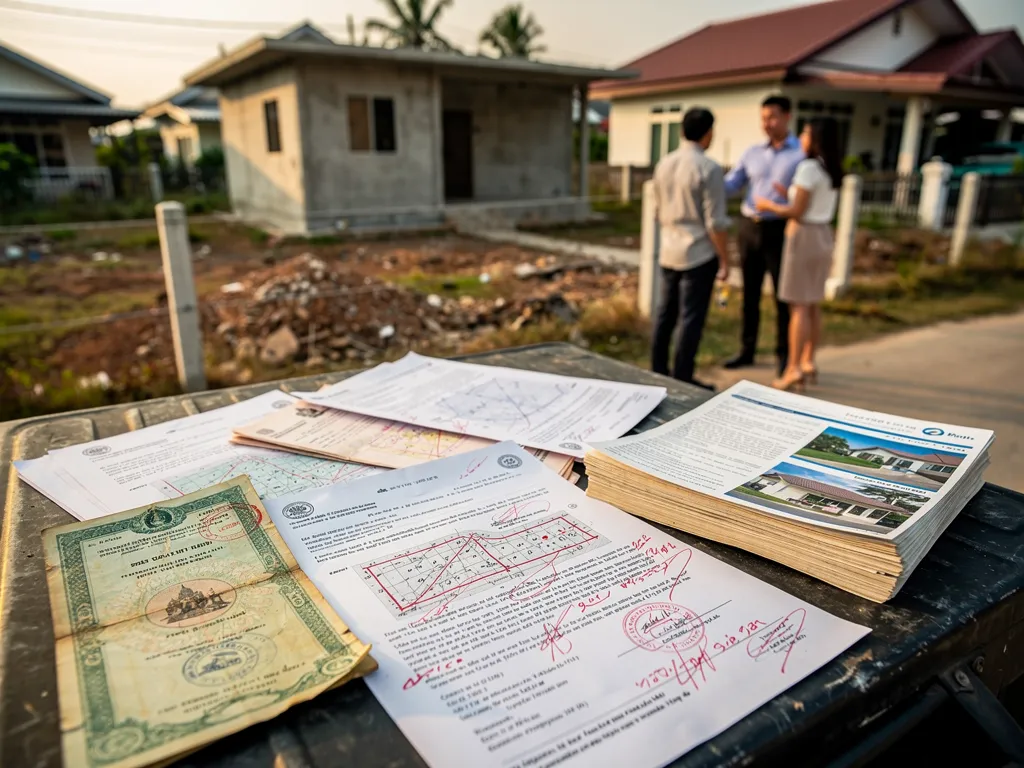
Foreign buyers most often lose money by skipping independent title checks and trusting sales assurances instead of written records. Skimping on Chanote title verification allows liens, boundary disputes, and unapproved construction to surface only after funds transfer. Contract redlining catches these problems earlier, but many buyers never request it before signing.
Relying on outdated market data creates a second layer of risk. Detailed nationality breakdowns for 2025-2026 transactions remain unavailable. Buyers who assume last cycle's foreign quota figures still apply may misjudge how much room remains within a project's allocation. Confirming current quota status directly with the Land Department, rather than through developer marketing materials, avoids this trap.
Why does skipping title verification cause problems later?
Chanote title documents establish the strongest form of land ownership in Thailand, but forged or encumbered titles still circulate. Buyers who skip Land Department verification risk discovering liens, easements, or construction violations only after the purchase closes, when remedies narrow considerably.
How does developer risk factor into these mistakes?
Buyers frequently focus on unit price and location while overlooking the developer standing behind the project. Nitarya's developer and counterparty assessment reviews delivery history, legal standing, and track record to flag risks before capital commits.
Common gaps buyers should address before signing anything:
- Ownership rights, title structure, and transferability left unverified
- Developer credibility and delivery history unchecked against project claims
- Reliance on verbal quota assurances instead of Land Department confirmation
- Contracts signed without independent legal redlining
Nitarya's title and ownership review closes these gaps by confirming legal entitlement before any purchase decision proceeds.
Frequently Asked Questions
Can a foreigner buy a house in Thailand?
A foreigner may own a building separately from the land, but generally cannot own the land beneath it in an ordinary transaction. A common route is a registered leasehold or usufruct over the land, sometimes paired with separate ownership of the structure, verified against the land title rather than relied on as a private contract promise.
What is the foreign ownership quota for condos in Thailand?
Under the Thai Condominium Act, foreign nationals may hold freehold title to units totaling up to 49% of a registered project's total saleable floor area. Quota space should be confirmed directly with the project's juristic person office before a reservation agreement is signed.
Do I need to transfer money from outside Thailand to buy a condo?
For the standard foreign-currency eligibility route, yes. The purchase funds are remitted into Thailand in foreign currency and supported by the bank evidence required for registration. Confirm the exact document and remittance wording with the receiving bank and Land Department before sending funds.
How long does a registered leasehold last in Thailand?
A standard registered lease runs up to 30 years. It grants use rights for that term rather than ownership, and any extension beyond the initial period depends on the contract's wording and the registration practices of the specific project and location.
What taxes and fees should I budget for when buying property in Thailand?
Costs typically include transfer fees at registration, recurring property-related taxes, ongoing maintenance charges, and reporting obligations tied to the ownership structure. These vary by whether the purchase is a freehold condo or a leasehold on land, so a review specific to the property is worth doing before committing funds.
Conclusion
In closing, buying property in Thailand as a foreigner rewards preparation over speed. Foreign ownership routes, quota structures, developer credentials, and title documentation each carry distinct verification requirements that determine whether capital sits on secure legal ground.
Treating due diligence as a structured, sequential process rather than a formality separates informed buyers from exposed ones. Nitarya's role is to organize that process, consolidating legal, project, and market review into one decision file so buyers act on verified fact rather than assumption.
Official references and legal note
- Thai Government: condominium ownership for foreigners
- Thai Government: land ownership by foreigners and limited exceptions
- Thailand Department of Lands: information for foreign property owners
This guide is general information, not legal, tax, immigration, valuation or financial advice. Requirements can change and depend on the buyer, property and transaction date. Confirm the current position with the relevant Thai authorities and qualified local professionals.